


Discover the best things to do in Luang Prabang, Laos — from visiting glittering temples and the Kuang Si Waterfalls to experiencing the dawn alms-giving ceremony. Explore this UNESCO World Heritage city’s culture, food, and hidden gems.
Why Visit Luang Prabang?
Tucked between the Mekong and Nam Khan rivers, Luang Prabang is one of Southeast Asia’s most captivating destinations. A UNESCO World Heritage Site since 1995, this small city in northern Laos perfectly balances Buddhist spirituality, colonial heritage, and natural beauty.
With its gilded temples, tranquil streets, and mountain scenery, Luang Prabang is a destination that feels untouched by time - ideal for travelers seeking culture, authenticity, and calm. I loved how the city was not crowded, you could easily walk around, no rush, just a calm and safe atmosphere.
Top Things to Do in Luang Prabang
1. Witness the Alms-Giving Ceremony (Tak Bat)
Wake before sunrise to watch one of Asia’s most spiritual traditions. Every morning at 5am saffron-robed monks walk silently through the streets, collecting alms from local residents. The ceremony offers a glimpse into Laos’s deep Buddhist roots. Nowadays the number of tourists is growing, making the ceremony a bit of a tourist attraction so in case you decide to see it, please remember to observe respectfully.
2. Explore Wat Xieng Thong
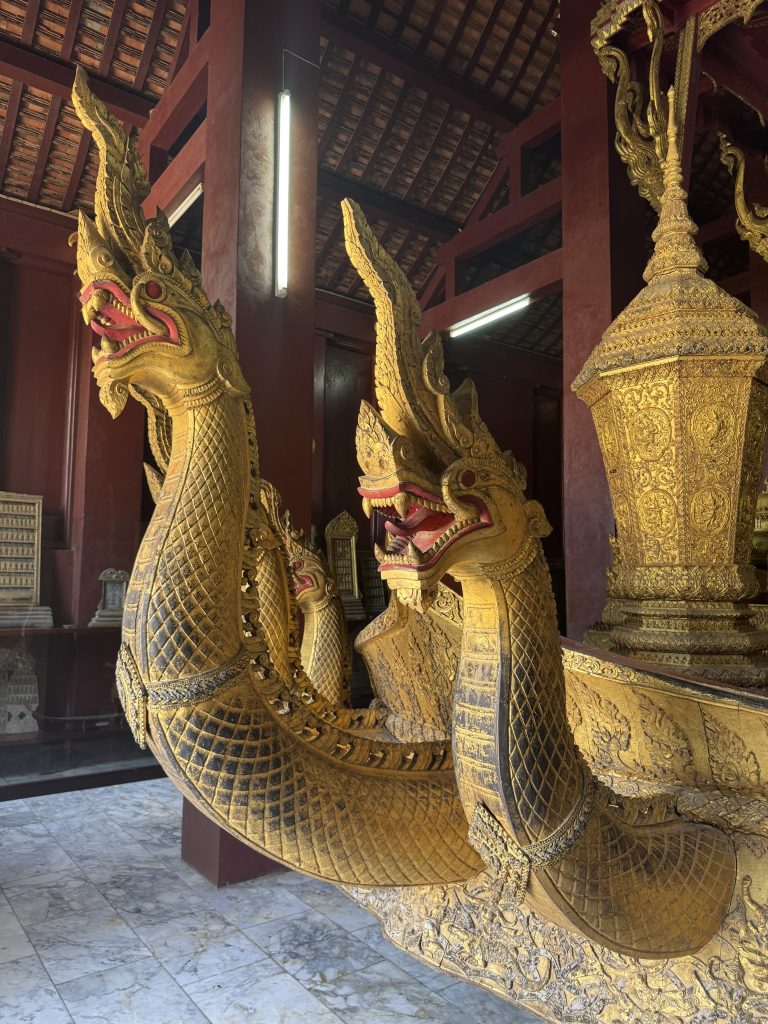
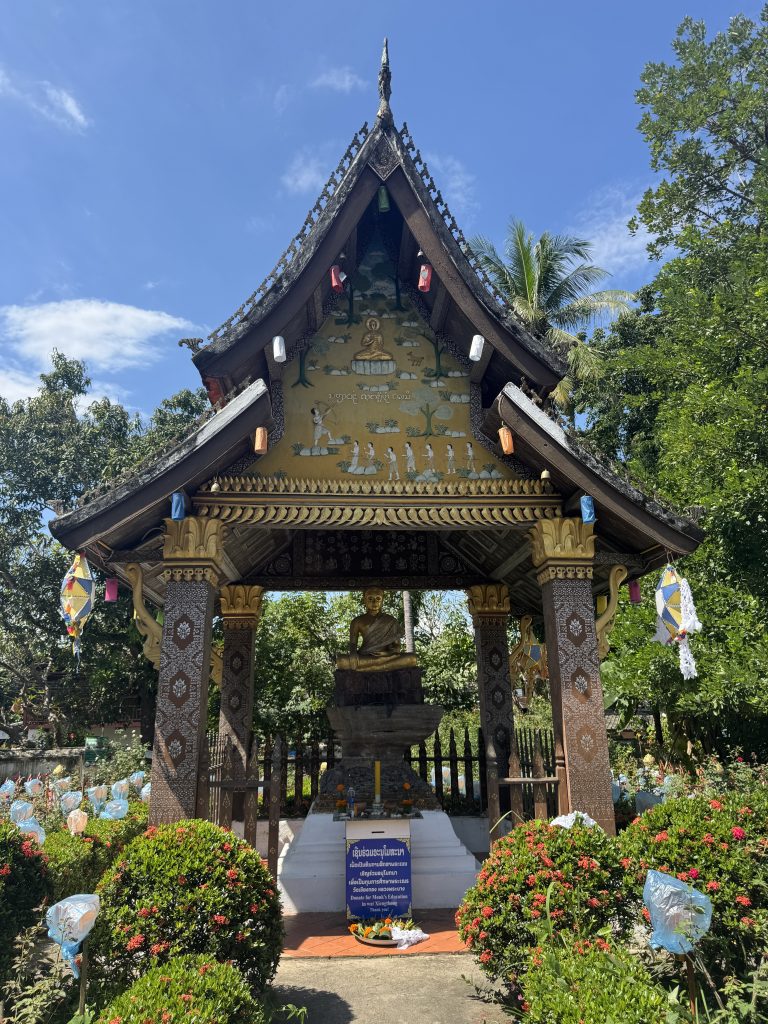
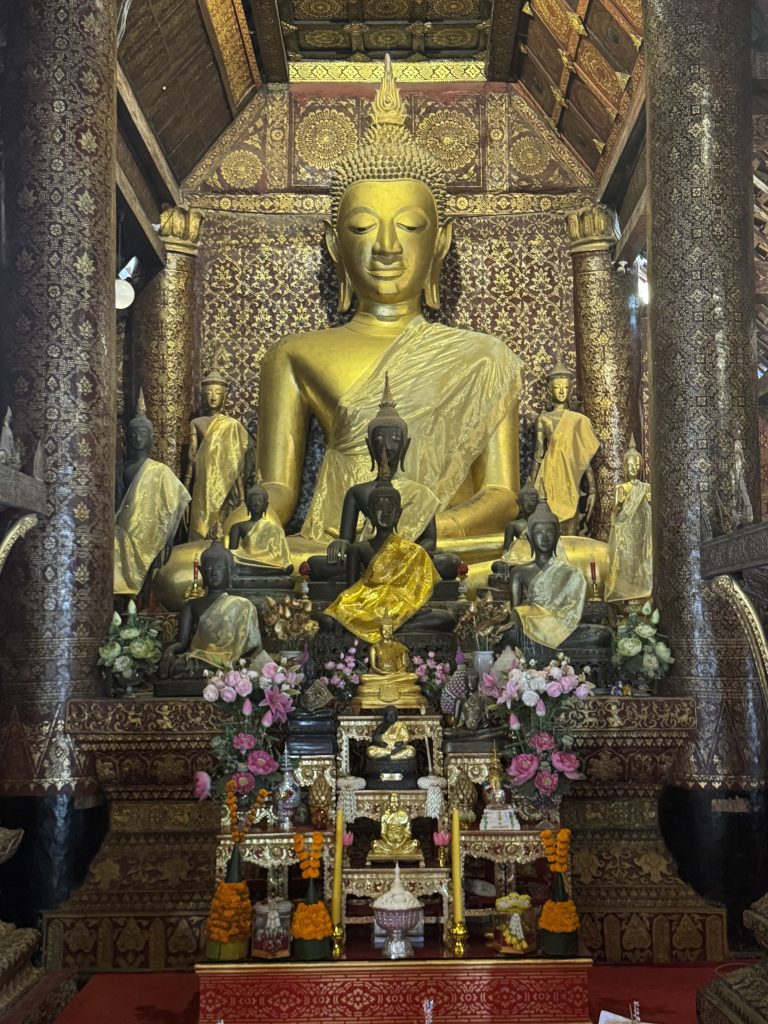
Known as the “Temple of the Golden City,” Wat Xieng Thong is Luang Prabang’s most famous monastery. Admire its ornate mosaics, golden carvings, and sweeping rooflines — a masterpiece of traditional Lao architecture that dates back to the 16th century. The temple is located in the old quarter right next to the river. When entering the temple buildings you have to cover your shoulders and knees.
Entrance fee in 2025: 30 000 kip
3. Visit the Royal Palace Museum
Formerly the home of the Lao royal family, the Royal Palace Museum offers insight into the country’s royal heritage, featuring royal artifacts, art, and the sacred Phra Bang Buddha statue — the city’s namesake.
Entrance fee in 2025: 60 000 kip
4. Cool Off at Kuang Si Waterfalls
About 30 kilometers (around 50 minutes drive) south of town, Kuang Si Falls is a breathtaking multi-tiered waterfall with turquoise pools perfect for swimming. Bring a picnic or stop by the nearby Tat Kuang Si Bear Rescue Centre before returning to town.
How to get to Kuang Si Waterfalls
There are several options to get to the waterfalls from private transportation to group tours.
- Self drive: if you have already rented a bike, then it can be a great option. You can choose when you go and when you leave, which helps in beating the crowds. Parking is available at the falls for a small fee. The drive can be bumpy and you will have to know how to manage the Laos traffic.
- Group tours: this is a convenient way to see the Kuang Si Waterfalls. There are several tours you can book through GetYourGuide/Tripadvisor. Hotel drop off and pick up is usually included, and most tours will take you straight to the falls and back, whilst some others might add an extra stop.
- Shared minivan: most likely your accommodation will have this option for about 70-100 000 kip. Hotel pick up and drop off is included in the Old Quarter, the van drives the group to the falls around 11am and you will get some time to spend at the falls. You have to be back to the van at a given time (usually you get 2-3 hours to explore) and they will drop you off at your hotel. If you have no interest to be with a group or to check other sights around the falls, then this is the best option in my opinion. You might also see this advertised in some restaurants in the centre. The only downside is that the van arrives at a time as most other tours, so it's likely that it will be more crowded.
- Private transfer: the most expensive option, but also the most flexible one. You decide what time you want to arrive and when you want to leave, and you can also add stops on the way and back, if you want.
Tips and Information for Visiting Kuang Si Waterfalls
- Pack the essentials: bathing suit, sunscreen, hat, comfortable shoes
- Toilet is available, but not the cleanest
- Avoid rainy season. The crystal clear waters you see on pictures is during dry season, otherwise the water gets muddy and sometimes you can't even access the waterfalls.
- Entrance fee in 2025: 65 000 kip, including a short electric buggy ride from the ticket office to the entrance and it also grants access to the Black Bear Rescue Center located along the walking trail
5. Cruise the Mekong to the Pak Ou Caves
Take a scenic boat ride up the Mekong River to the Pak Ou Caves, home to thousands of Buddha statues hidden inside limestone caverns. The slow journey along the riverbanks is just as beautiful as the destination. There are also evening cruises on the Mekong, where most cruises will include drinks and snacks, while some others include dinner as well.
6. Shop and Dine at the Luang Prabang Night Market or at the Morning Market
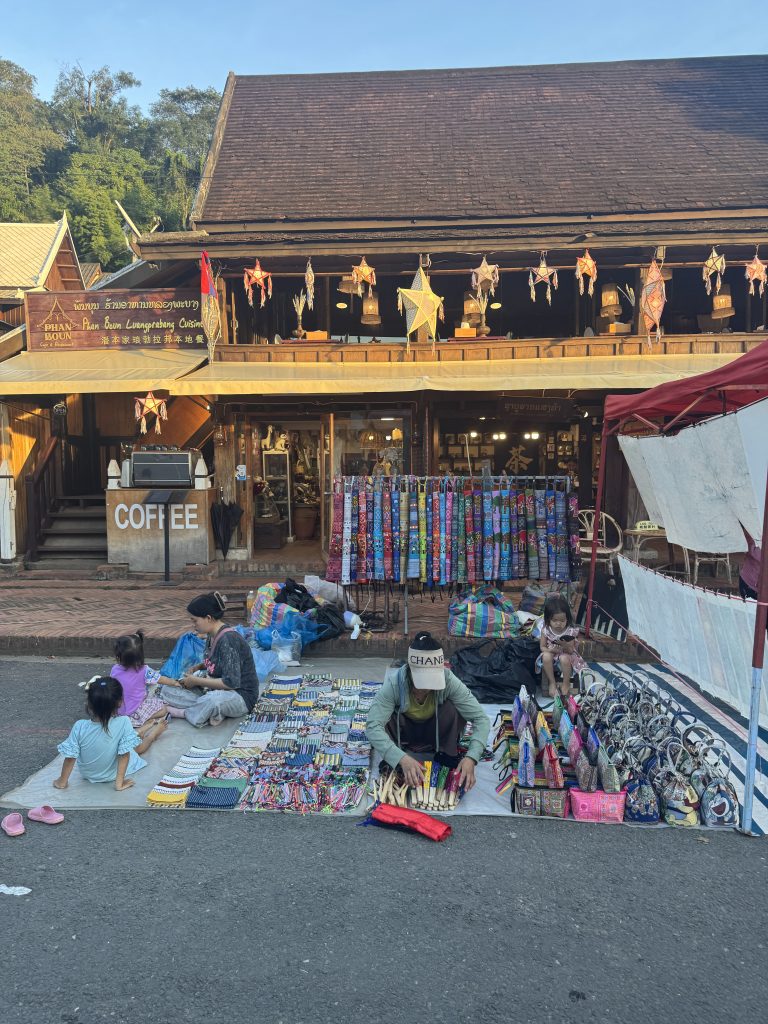
As evening falls, Sisavangvong Road transforms into a lively night market filled with local crafts, textiles, and street food. Don’t miss khao soi (Lao noodle soup), laap (minced meat salad), and handmade souvenirs from local artisans. Here you will find every souvenir you might need. Some stalls offer the same things, but you can also find some unique products.
The morning market is located a bit closer to the river with many stalls selling fresh fruits and meat. It's usually open from 6am-9am, but sometimes even until 10.30. The morning market is more of a local market, but personally I liked it more than the night market. I could still find souvenirs, but there were also fresh baked goods, all types of fish and meat, vegetables and fruits. It felt way less touristy and bigger too.


7. Visit Mandalao Elephant Conservation
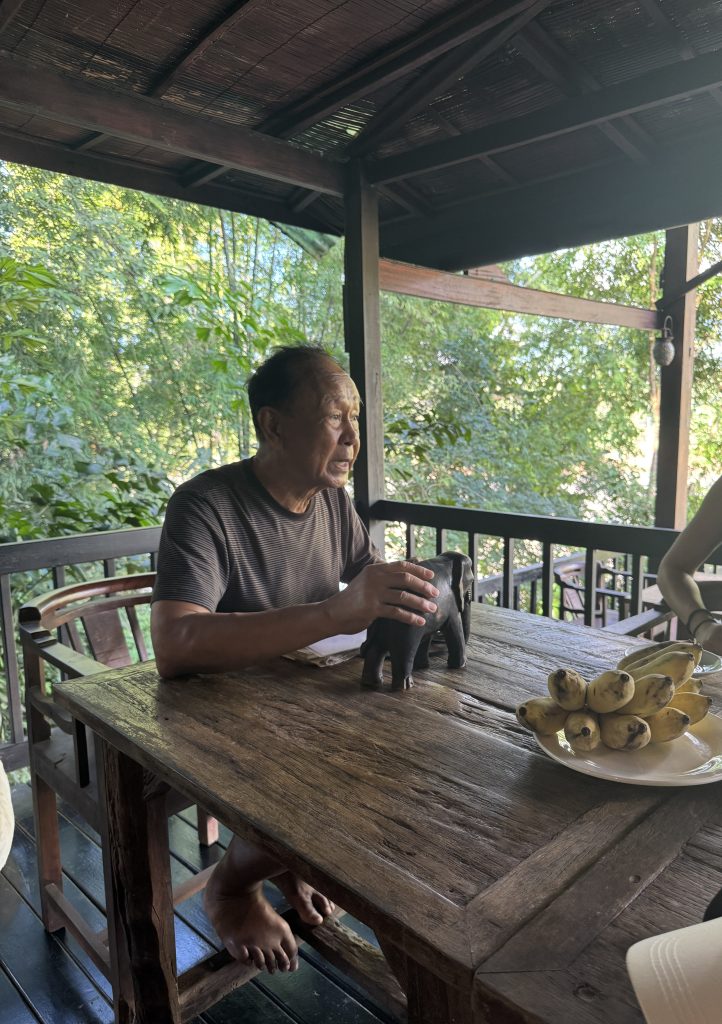
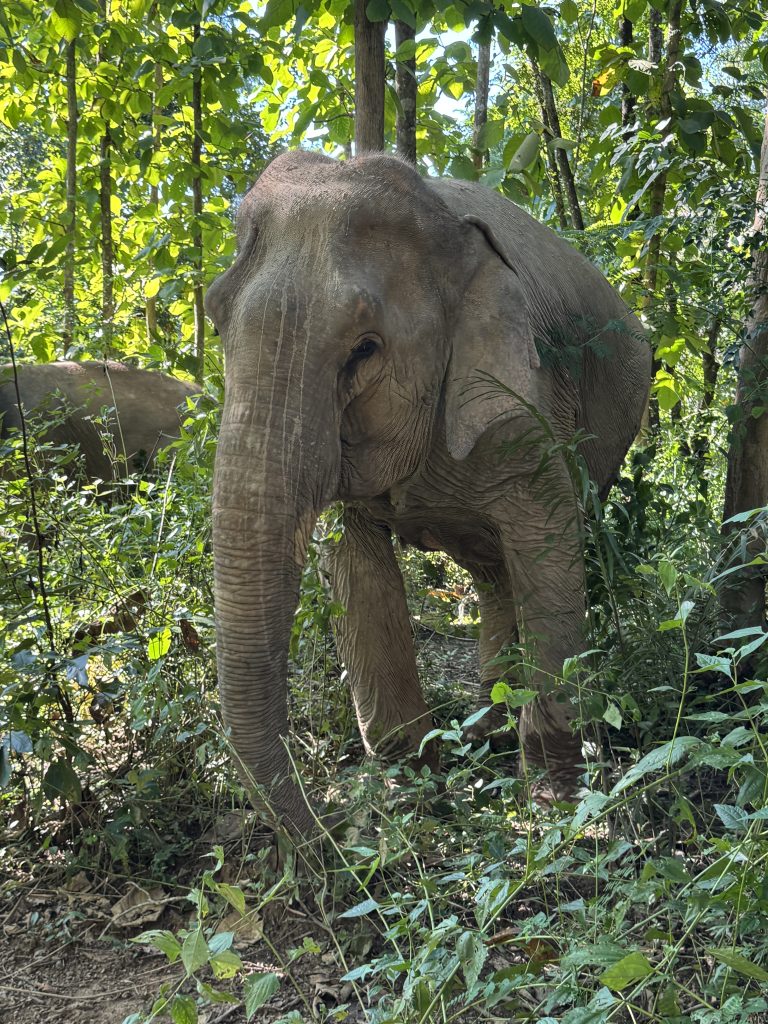
Mandalao Elephant Conservation focuses on education and elephant welfare. Their elephants were all saved from non ethical places where tourists could ride and bathe them. At Mandalao these amazing creatures are able to heal and live happily in a huge jungle area. Once they get healthy they are released back into the wild, but unfortunately some of them never heals enough to go back to their natural habitat. The conservation is located about a 30-40 minutes drive (more of a really bumpy slow ride) from Luang Prabang Old Quarter, but hotel pick up and drop off is included in their packages. They offer a few different tours, but all of them respects the elephants and their personal space. You walk with them in the jungle, you stop when they want to stop, you wait when they find snacks and you just enjoy their company from a respectful distance. At the tour I was at, we also made some snacks for them with probiotics that we could give them at the end of the tour. It might be pricy, but it's an amazing experience and all costs go into saving more and more elephants from animal tourism. A cause you definitely want to support.

7+1 Fire Boat Festival
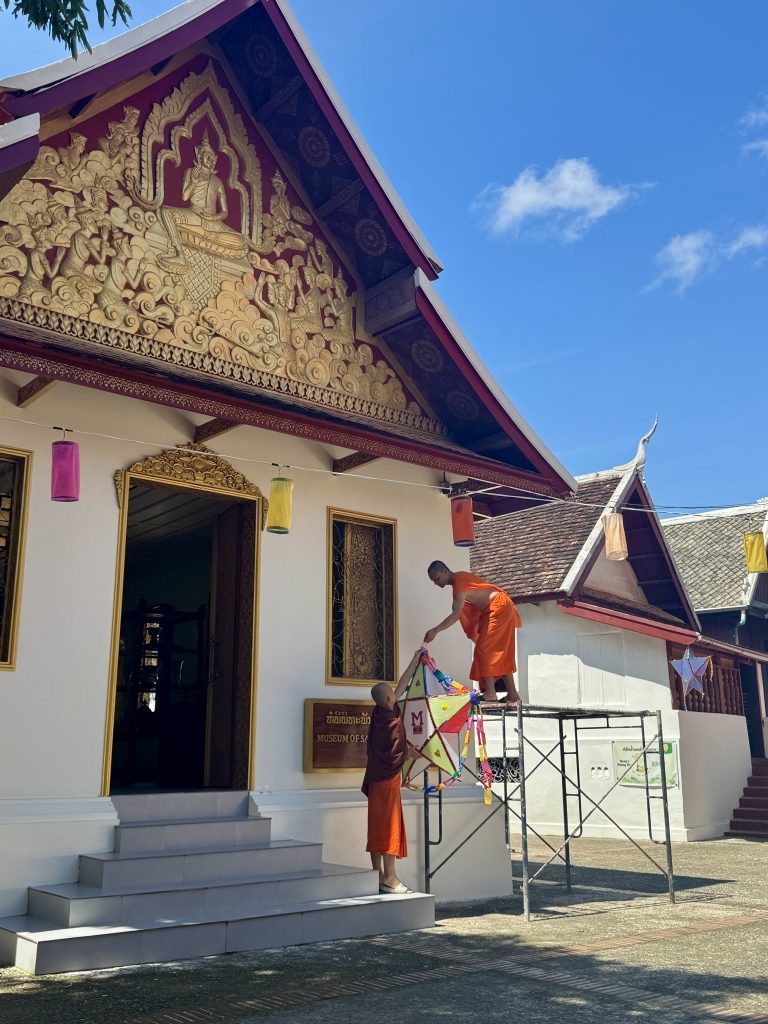
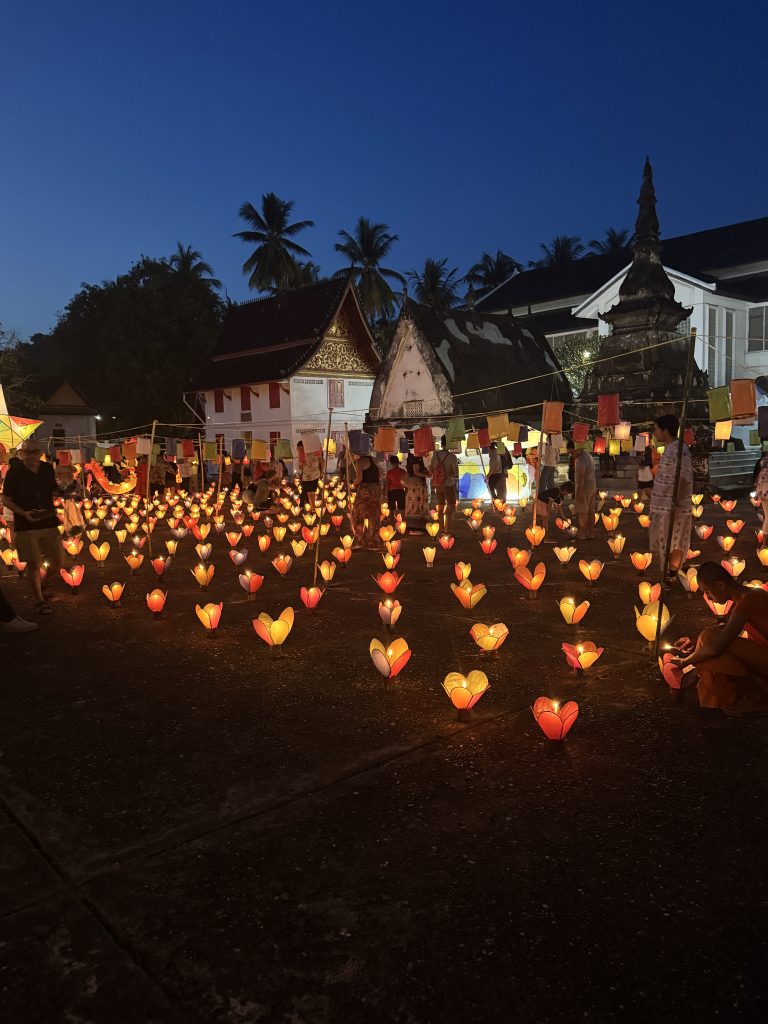
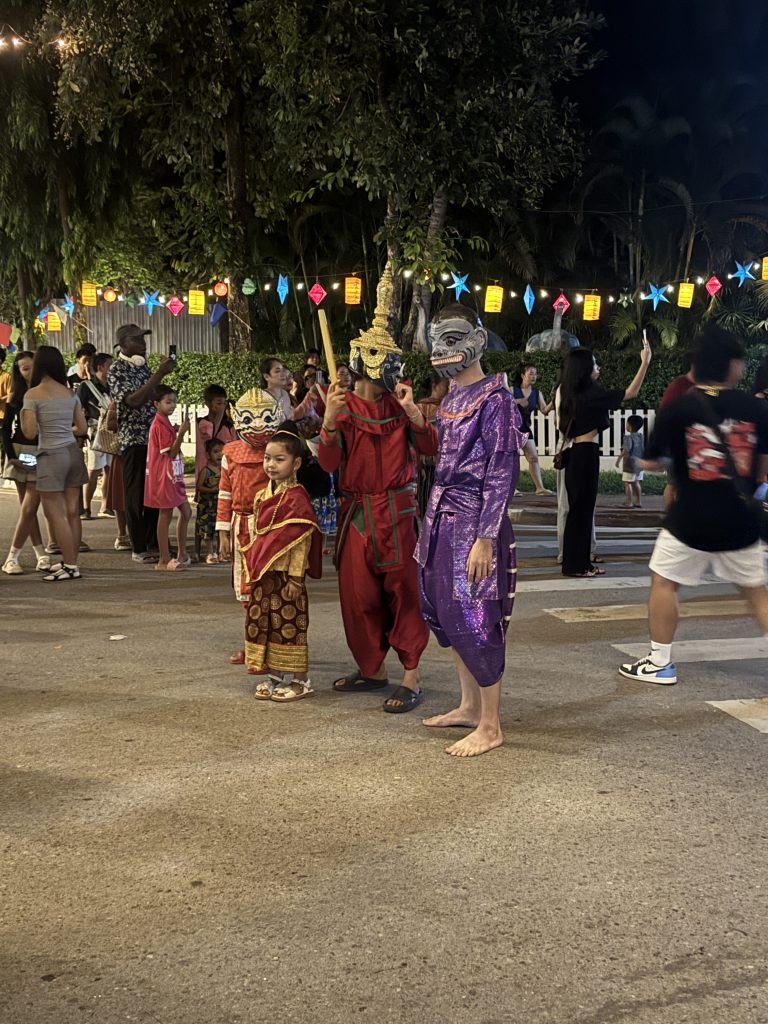
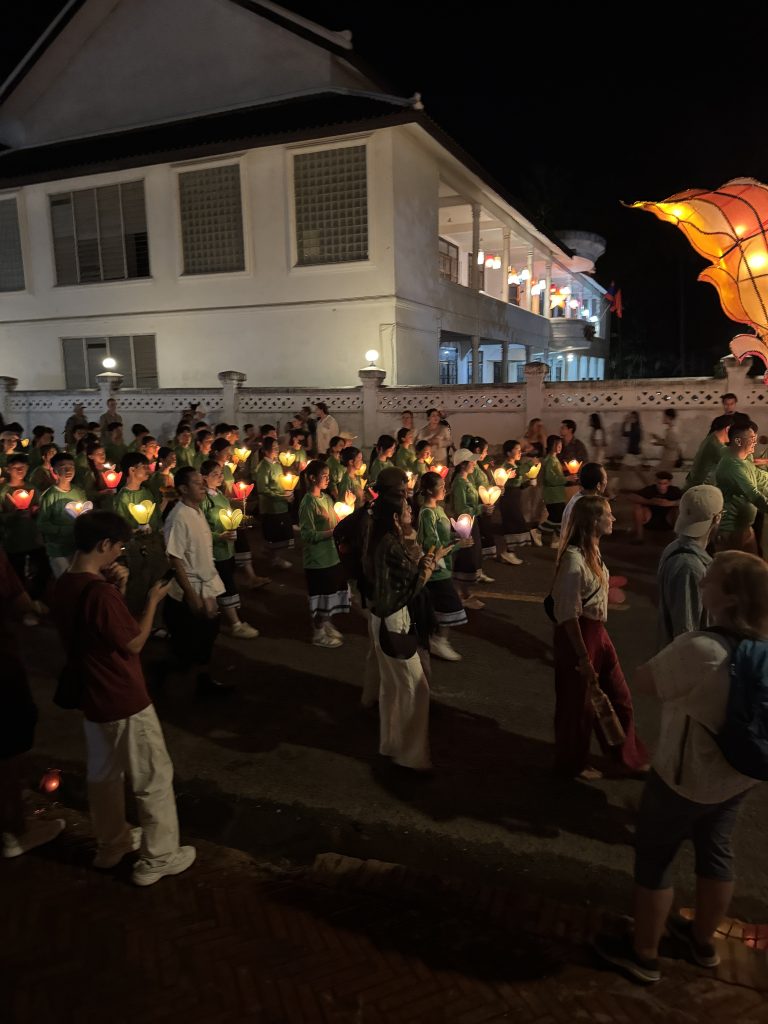
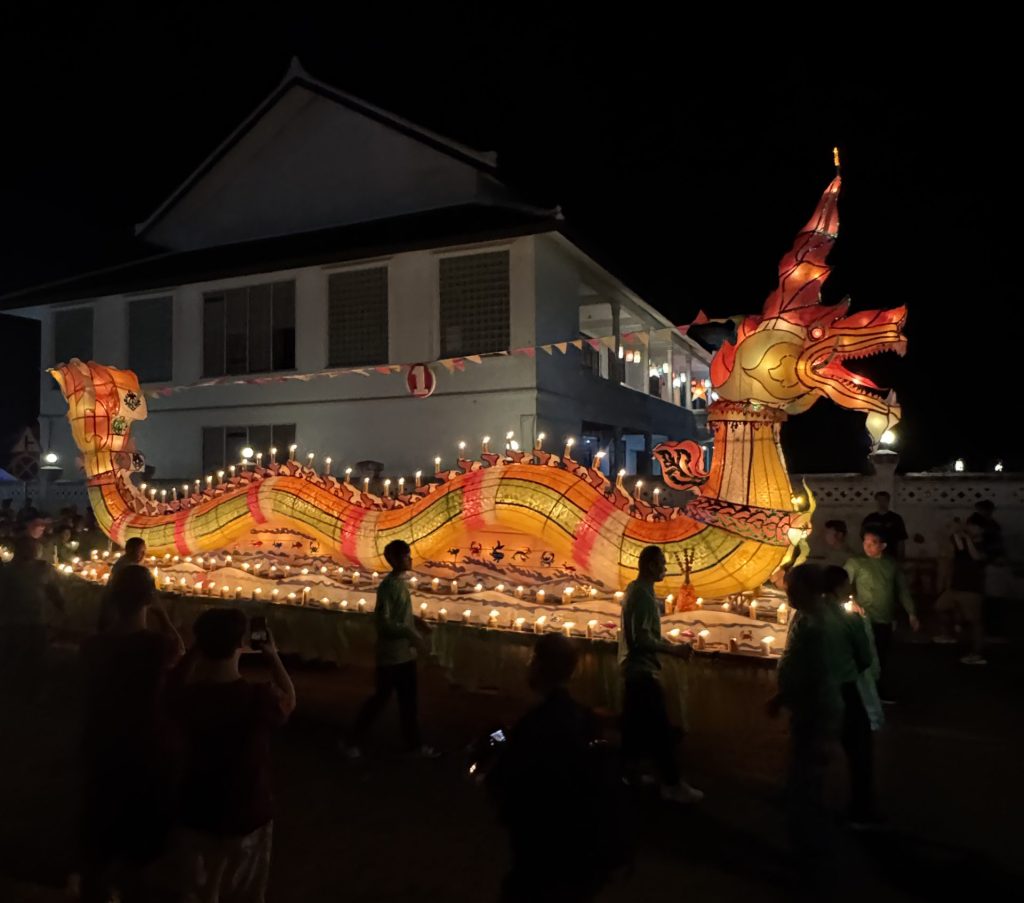
In October I was lucky enough to witness Boun Lai Heua Fai Festival in Luang Prabang. It's also called the Festival of Light or Fire Boat Festival. For the festival each monastery in the town will decorate its compound with paper lanterns. They will also build a large float, often shaped like a naga serpent, from bamboo, banana trunks and paper. These "fire-boats" are illuminated from inside by dozens of candles. The construction of these floats is a community affair with all the monks and novices as well as members of the lay community helping in the construction during the week leading up to the festival. On the nights leading up to the main festival all the temples will display their fire-boats and other lanterns in the monastery compounds which will be busy with visitors of all ages coming to see this beautiful illumination display. In addition to the large fire-boats, families and individuals also make their own personal offerings. For many days the pavements are lined with street vendors selling krathong, small floats made from bamboo and banana leaves with just one candle in the centre. People buy these to light a personal offering which they will place into the Mekong River on the night to float away, taking away their worries and concerns and bringing them good luck for the coming year. On the final day of the festival a large parade takes place of all the fire-boats. Those built by the monasteries are joined by boats built by various schools, colleges, the university and other organisations. In the late afternoon the procession assembles on the main road leading up to the fountain. Once darkness has fallen this long procession makes its way through the centre of town towards Vat Xieng Thong. The huge illuminated fire-boats, pushed along by the young men, look spectacular against the back-drop of Luang Prabang's famous French colonial houses and its temples. Young women in beautiful traditional dress follow the fire-boats, dancing slowly with hand-held lanterns. As the procession passes the former Royal Palace, invited VIPs watch from a pavilion set up overlooking the road, whilst a panel of judges also assess each entry in the procession in order to award a prize for the best fire-boat of the festival.
The parade was amazing with all the boats and the community coming together. It's an amazing experience, so if you have the chance to go at this time, don't hesitate.
Where to Stay in Luang Prabang
- Luxury: Amantaka – a serene colonial retreat with world-class service.
- Mid-range: Maison Dalabua – surrounded by lotus ponds and a short walk from the city center.
- Budget: La Nuit de Laos – a charming guesthouse less than a minute walk away from the main street and two minutes from the night market with great breakfast. I stayed here and I can't recommend it highly enough. The room was spacious and comfortable, the bathroom was stylish and unique and the staff was incredible. They also have super cheap laundry service.
What to Eat in Luang Prabang
Luang Prabang’s food scene combines traditional Lao dishes with French colonial influence. Must-tries include:
- Or Lam – a hearty stew made with buffalo meat, eggplant, and local herbs.
- Mok Pa – fish steamed in banana leaves with lemongrass and chili.
- Lao Coffee – strong, aromatic, and best enjoyed at a riverside café.
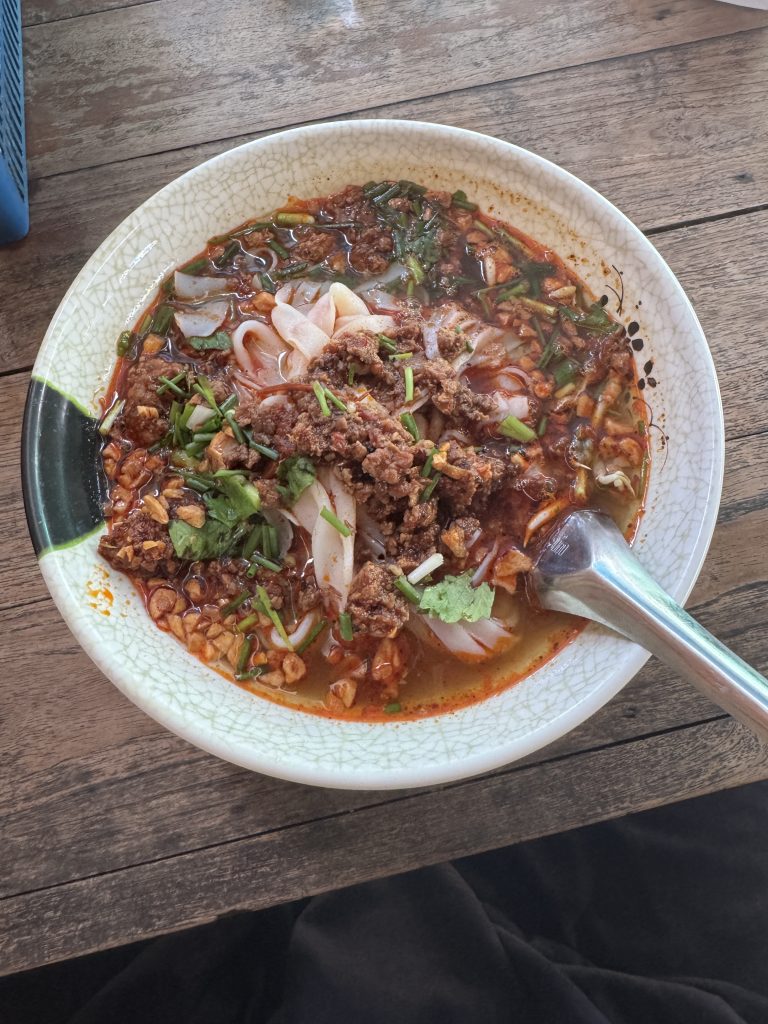
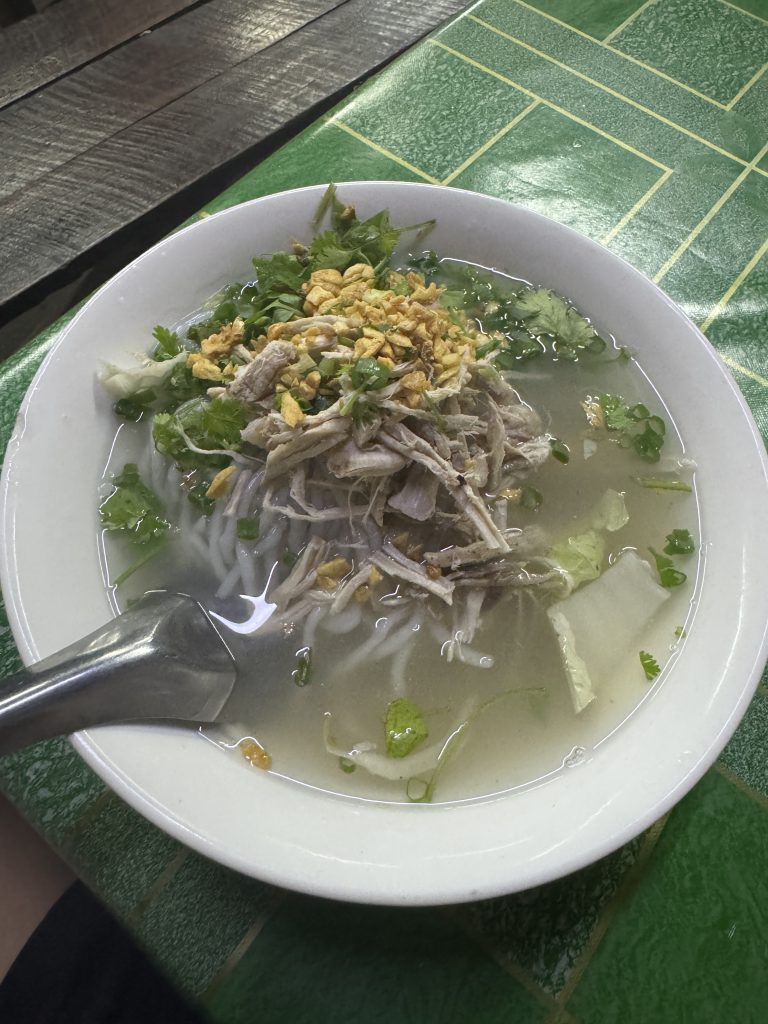
My favorite place to eat was Ajam Mora Restaurant next to the Night Market, great food, kind service and prices you can't beat. Kao Piek, Hua Xiang is another great find full of locals every night. They only serve one kind of soup in two sizes and the ladies cook it right in front of the guests.
Travel Tips for Luang Prabang
- Dress modestly when visiting temples (shoulders and knees covered).
- Bring cash — many shops and food stalls don’t accept cards.
- Rent a bicycle to explore the town at your own pace.
- Respect the quiet, unhurried lifestyle — Luang Prabang’s charm lies in its tranquility.
- Best time to visit: between November and February, when the weather is cool, dry, and ideal for exploring. The rainy season (May–October) brings lush scenery and fewer tourists, but some rural roads may be muddy or flooded. I went in mid-October and it only rained for a day, but if you want to make sure you can visit Kuang Si Waterfalls, then it's better to go a bit later.
Final Thoughts
Luang Prabang is more than just a travel destination — it’s an experience of peace, culture, and timeless beauty. Whether you’re hiking to waterfalls, chatting with monks, or simply watching the sunset over the Mekong, every moment here feels meaningful.
This is Laos at its most magical — slow, sincere, and unforgettable.
source for Fire Boat Festival: https://www.luangprabangculture.com/fire-boat-festival.html